
Purpose-Driven Companies Make More Money
A slogan won't cut it. When purpose saturates every role, performance explodes. The data's staggering and the wake up call stings. Get uncomfortable, get aligned, and watch revenue multiply.

A slogan won't cut it. When purpose saturates every role, performance explodes. The data's staggering and the wake up call stings. Get uncomfortable, get aligned, and watch revenue multiply.

Rediscover roots. Trade trend chasing for clarity by answering tough questions about purpose, values, positioning, audience, style, and vision that realign teams, sharpen decisions, and build momentum.

Purpose isn't a slogan. Assemble a team, share stories, ask whys, and craft a bold phrase. Keep it short, stop committee creep, and make it worthy of a flag.

One of the hardest questions we ask in our discovery workshops is also one of the simplest and most fundamental: “Why does your company exist?” You’d think most CEOs would have a ready (and passionate) response to that question, but most don’t. When asked that question, they usually keep their compo…

There’s a common thread between companies like Tesla, Airbnb, Uber, SpaceX, Spotify, Square, Netflix and others that have successfully overturned decades of convention and built business empires around solutions that rendered their competitors almost instantly obsolete. It’s called “design thinking,…

Far too many experiences are designed around the assumption that people want to be engaging with them. It’s an easy mistake to make. If you’re designing, say, an ecommerce site, it would be natural to assume your customers have an internal drive to find a product they want, add it to their cart, a…

Haiku’s limits reveal a creative superpower. Embrace real world constraints, balance freedom with discipline, and watch work sharpen, teams align, and surprising solutions emerge where budgets, timelines, and purpose collide.

Customer research is fundamental to the design process. It’s been well established that relying on assumptions alone leads us to make biased decisions that often fail to reflect the reality of the customer’s needs and wants, leading to poor results (including reduced revenue). Basically, it’s more e…

Inexperienced marketers tend to fall back on a benefit-focused approach, believing they’ll win customers by listing their virtues (better products, better customer service, technical improvements, etc.) Unfortunately, most practical benefits don’t address the issues that really frustrate consumers: …
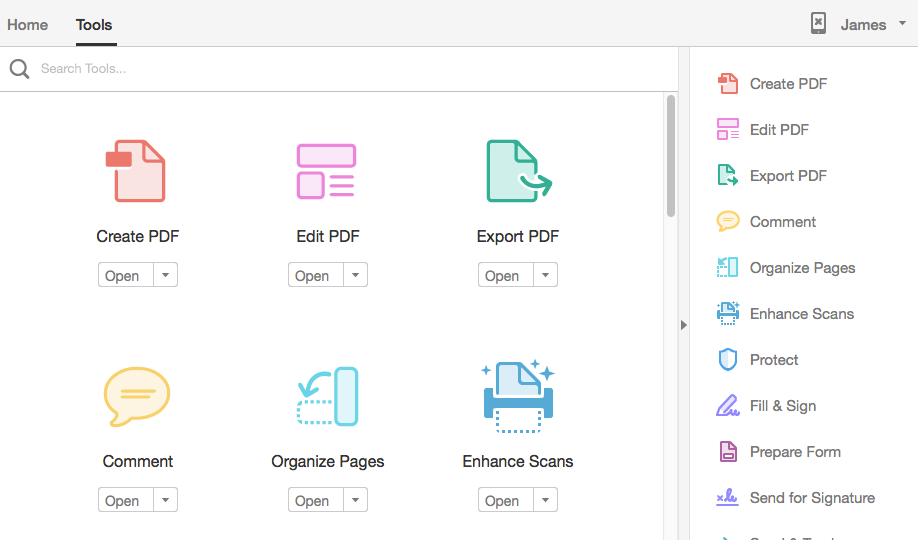
There’s definitely some logic to the underlying philosophy of the “mobile first” approach to design, but there are also some hidden problems that cause even experienced designers to make some fundamental user experience mistakes. Doing it wrong serves only to reverse the underlying problem, creating…

There are few forces as formidable as designers and developers working together. When they’re working effectively, they hardly need anyone else. Entire companies have sprung up around strong designer+developer teams, and these collaborative teams have built many of the tech and social platforms that…

When I think of the people who were the most influential role models in shaping my approach to business and life, I keep coming back to astronauts. I don’t know where I’d be if it weren’t for astronauts. You see, I’m an emotional guy. I cry easily at movies. My blood pressure rises when I see injust…

Designers aren't always rational. Cognitive biases warp reviews and choices, from anchoring to loss aversion, and practical cues help you notice them and steer projects with clearer thinking.

Six common UX pitfalls drain revenue. Prioritize research over reskins, design for humans not databases, respect power users, collaborate teams, and coach users kindly. Thoughtful process beats decorative polish.

When customers flee, the temptation is a glossy redesign. Instead, uncover buried UX flaws, align messaging, and iterate with research so users feel capable, trust grows, and sales recover.