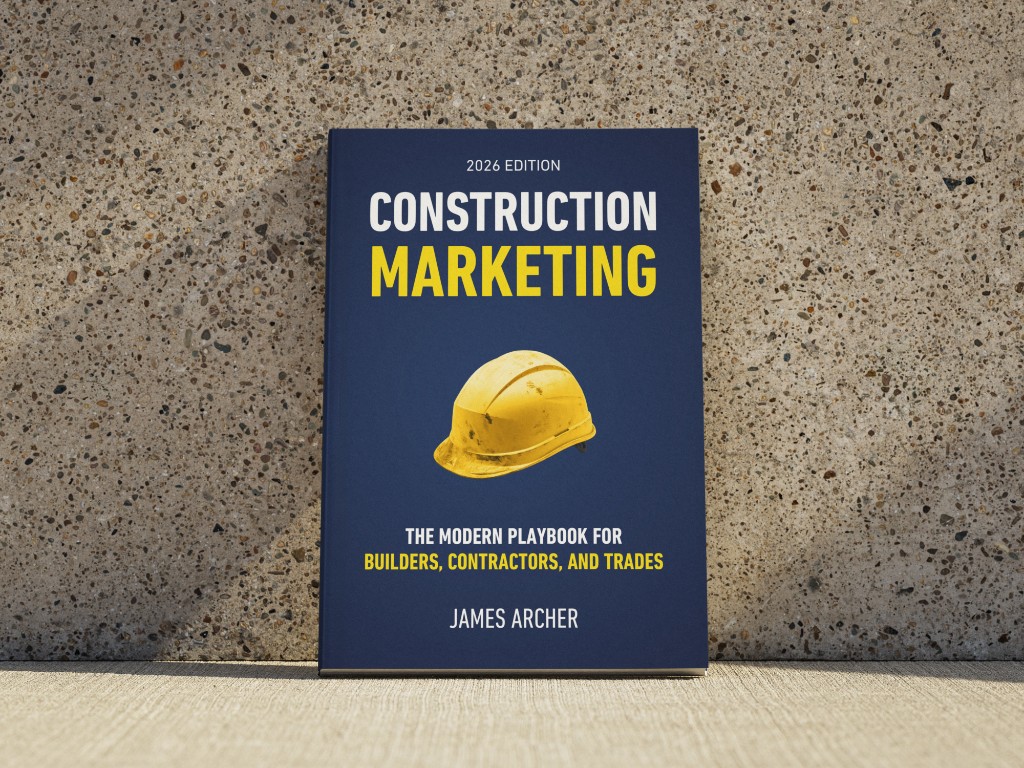
· by James Archer · Construction & Trades · 3 min read
Are You an Order-Taker or an Expert?
The fundamental difference between buying a job (lowering price to win) and selling expertise (being the obvious choice). Side-by-side scripts showing Order-Taker vs Expert conversations with the same client. The financial math: 10% discount vs 15% premium on a $200K job.
There’s a fundamental difference between buying a job and selling expertise.
When you lower your price to win a bid, you’re buying a job. You pay for the privilege of working by giving up your margin. You take on all the risk, all the stress, and all the liability. Then you pay the client a discount to let you do it.
This is the mindset of an Order-Taker. And before you bristle at that label, know that every builder starts here. It’s where the industry puts you by default.
An Order-Taker works the drive-thru window. The client drives up and shouts what they want into the speaker. You ask, “Do you want fries with that?”
You have no authority. You have no control. You just hand them the bag.
Order-Takers have to compete on price because they offer nothing else. They process requests.
Here’s what an Order-Taker conversation sounds like:
Client: “We need this done by December 1st.”
Order-Taker: “Okay, we’ll try our best.”
Client: “This price is too high. Can you do it for less?”
Order-Taker: “Let me check with my subs and see where we can cut.”
Selling expertise is different.
When you sell expertise, you’re the prize. You aren’t one of three bidders. You’re the only logical choice. You charge a premium because you deliver a specific outcome that the client values more than the money.
This is the mindset of an Expert.
An Expert is a leader. They prescribe solutions. When a client asks for a quote, the Expert says, “Before we talk about price, let’s figure out if this scope actually solves your business problem.”
Here’s what an Expert conversation sounds like with the same client:
Client: “We need this done by December 1st.”
Expert: “That deadline matters. What happens on your end if December 1st slips?”
Client: “We’re paying rent on a temporary place. Every month this runs long costs us money we won’t get back.”
Expert: “That changes how we should plan this. Let me show you which scope decisions protect that date and which ones put it at risk.”
Client: “This price is too high. Can you do it for less?”
Expert: “I can adjust the scope. But before I do, let me ask: if we cut the wrong thing and it adds two months of rent, what does that cost you? Sometimes the cheaper bid is the most expensive option by the time it’s finished.”
The Expert doesn’t negotiate against themselves. They diagnose the real problem. They make the premium feel like protection, not luxury.
Experts have power. They’re valued for their thinking, not just their labor.
The financial difference is real. When an Order-Taker cuts price by 10% to win a $200,000 job, that’s $20,000 gone. That money could have gone to hiring a better project manager, buying better materials, or building a financial cushion for the slow months. Instead, it went to a client who didn’t even ask for it.
When an Expert charges a 15% premium on that same job, they add $30,000 to the bottom line. That premium funds the systems that make the next job easier. Better estimating software. A dedicated project coordinator. A marketing engine that brings in clients who respect the price.
Next time a client asks you to cut your price, try asking them which part of the scope they’d like to remove instead. That’s the difference between taking an order and giving advice.